
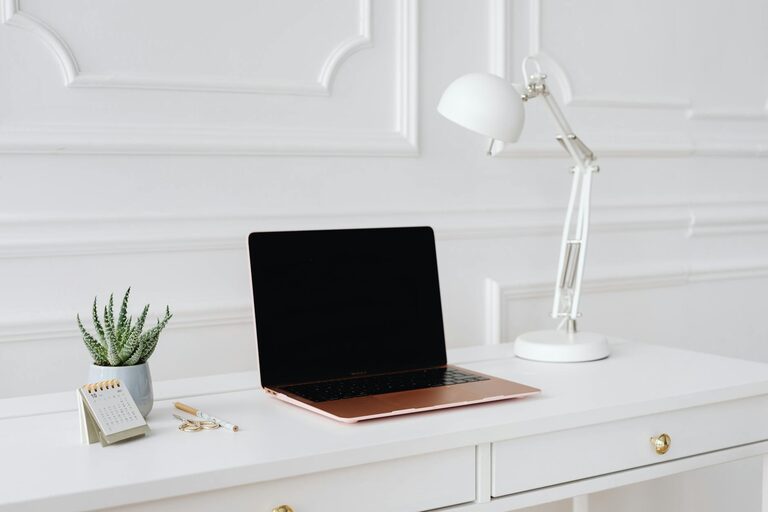
Creating a productive home workspace is essential for anyone working remotely or managing tasks from home. A well-designed workspace can help you stay focused, reduce distractions, and maintain a healthy work-life balance. Whether you have a dedicated room or a small corner, these tips will guide you in setting up an environment that supports your best work.
Choose the Right Location
Selecting the right spot for your home workspace is the first step to productivity. Ideally, choose a quiet area with minimal foot traffic and distractions. If possible, pick a space with natural light, as it can boost mood and energy levels.
Consider These Factors:
– Distance from common living areas to reduce noise
– Access to power outlets and internet connection
– Space for your equipment and storage needs
If space is limited, consider using room dividers or portable screens to create a separate zone for work.
Invest in Ergonomic Furniture
Comfort is key when working for extended periods. Invest in a good-quality ergonomic chair and desk to maintain proper posture and reduce strain.
Tips for Ergonomic Setup:
– Use a chair with adjustable height and lumbar support
– Position your monitor at eye level to avoid neck strain
– Keep your feet flat on the floor or use a footrest
– Place your keyboard and mouse within easy reach to prevent overextension
Remember, small adjustments can make a big difference in comfort and productivity.
Keep Your Workspace Organized
Clutter can be distracting and hinder your workflow. An organized workspace helps you focus and saves time looking for materials.
Organization Ideas:
– Use shelves, drawers, or containers to store supplies
– Keep only essential items on your desk
– Use cable organizers to manage cords neatly
– Develop a filing system for documents, either physical or digital
Regularly declutter your workspace to maintain a tidy and inviting environment.
Optimize Lighting
Good lighting reduces eye strain and keeps you alert. Natural light is the best option, but you may need additional lighting for darker spaces or late hours.
Lighting Tips:
– Position your desk near a window if possible
– Use a desk lamp with adjustable brightness and direction
– Avoid harsh overhead lights that create glare on screens
– Consider adjustable temperature bulbs (warm vs. cool light) to match your preference
Proper lighting contributes significantly to maintaining focus throughout the day.
Minimize Distractions
To stay productive, minimize interruptions and distractions in your workspace.
Strategies to Reduce Distractions:
– Set boundaries with family or roommates during work hours
– Use noise-canceling headphones or calming background music
– Turn off non-essential notifications on phones and computers
– Keep personal items separate from your work area
Creating clear boundaries helps your brain switch into work mode.
Personalize Your Workspace
Adding a few personal touches can make your workspace more enjoyable and motivating.
Ideas for Personalization:
– Add a plant for a touch of nature and fresh air
– Display inspirational quotes or artwork
– Use colorful organizers or desk accessories that make you happy
– Incorporate a whiteboard or bulletin board for notes and reminders
Just remember to keep personalization simple so it doesn’t become a distraction.
Take Breaks and Move Regularly
Even with the best workspace, sitting too long can affect your health and creativity.
Healthy Habits:
– Follow the 20-20-20 rule: every 20 minutes, look at something 20 feet away for 20 seconds
– Stand up and stretch at least once every hour
– Take short walks during breaks to refresh your mind
– Use a standing desk or adjustable workstation if possible
Regular movement improves circulation and keeps your energy levels steady.
Maintain Consistent Work Hours
Establish a routine that fits your lifestyle and helps separate work from personal time.
Routine Tips:
– Set a start and end time for work each day
– Plan breaks and lunch like you would in an office setting
– Use calendars or planners to stay on track
– Communicate your schedule with others to avoid conflicts
A consistent routine builds habits that support long-term productivity.
—
Creating a productive home workspace requires some planning and effort, but it pays off in better focus, comfort, and work satisfaction. By choosing the right location, investing in ergonomics, staying organized, and maintaining healthy habits, you can create an environment that makes working from home a positive experience. Start small, make adjustments as needed, and enjoy the benefits of a workspace tailored to you.